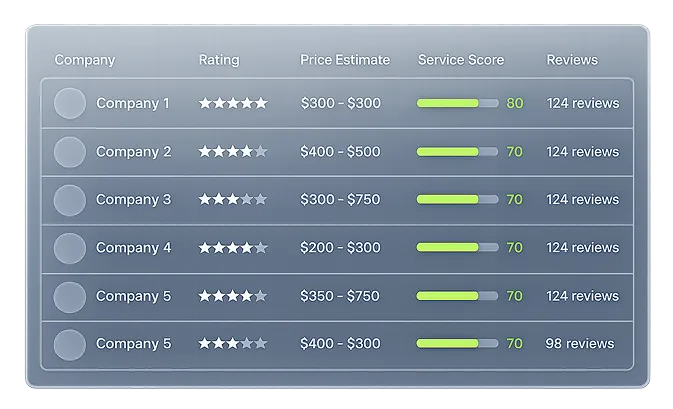
Finding the best auto transport company requires comparing pricing, service quality, and customer satisfaction. Below is our latest ranking of the top car shipping providers in the United States based on verified reviews, service reliability, and industry reputation.

| Rank | Company | Broker/Carrier | Best For | Rating |
|---|---|---|---|---|
| 1 |
Rivalane Auto Transport
🏆 Best Overall
|
Both | Enclosed Transport |
5.0
(


 )
)
|
| 2 | Montway Auto Transport | Broker | Nationwide Coverage |
4.7
(
)
|
| 3 | Sherpa Auto Transport | Broker | Price Transparency |
4.6
(
)
|
| 4 | SGT Auto Transport | Broker | Fast Pickup Windows |
4.5
(
)
|
| 5 | Easy Auto Ship | Broker | Military PCS Moves |
4.4
(
)
|
| 6 | AmeriFreight | Broker | Budget Friendly |
4.2
(
)
|
| 7 | RoadRunner Auto Transport | Broker | Door to Door Shipping |
4.1
(
)
|
)
)
)
)
)
)
)

Auto transport can save time, reduce wear on your vehicle, and simplify long-distance moves. But choosing between auto transport companies is not always straightforward. Pricing models vary, service levels differ, and some providers act as brokers while others operate as carriers.
Most vehicles in the United States are shipped on professional multi-car trailers designed for safe long-distance transport. The challenge is not whether car shipping works, but which company offers the right balance of pricing, reliability, communication, and coverage.
That is why we compare leading providers, explain how auto transport works, and highlight the key factors that matter before you request a quote. Below are the most important things to understand before booking vehicle shipping.


Auto transport pricing depends on several factors including distance, vehicle type, transport method, route demand, and time of year. While prices vary between companies, most vehicle shipments in the United States fall within a predictable range.
In general, shipping a car within the U.S. costs between $600 and $2,000, depending on mileage and vehicle size. Shorter routes usually cost more per mile, while long-distance cross-country transport becomes cheaper per mile.

Other factors that influence auto transport pricing include: vehicle size and weight, open vs enclosed transport, pickup and delivery locations, seasonal demand, and expedited shipping requests.
For example, enclosed transport typically costs 30–60% more than open transport because enclosed trailers carry fewer vehicles and provide additional protection. Understanding these pricing variables helps you recognize when a quote is realistic, and when it might be too good to be true. To see how pricing varies between providers, explore our comparison of the best auto transport companies above.

When shipping a vehicle, one of the most important decisions is choosing between open auto transport and enclosed auto transport. Both methods safely deliver vehicles across the country, but they differ in cost, availability, and level of protection.
Open carriers are the most common type of car shipping trailer and are used for the majority of everyday vehicles. Enclosed transport provides additional protection from weather, debris, and road conditions, making it the preferred option for luxury, classic, or high-value vehicles.

Another important concept in the auto transport industry is the difference between a broker and a carrier. Many customers assume they are booking directly with the company that owns the truck, but in many cases they are actually working with a broker who coordinates the shipment. Understanding this distinction helps you evaluate quotes, communication, and pricing more accurately when comparing auto transport companies.


To avoid auto transport scams, verify that the company is registered with the FMCSA (Federal Motor Carrier Safety Administration) and has a valid USDOT or MC number. Read recent customer reviews, check their insurance coverage, and avoid companies that request large upfront deposits or provide vague pricing. A reliable transport company should offer clear communication, transparent quotes, and written agreements before pickup.
Before shipping your car, remove all personal belongings, wash the vehicle so existing damage is visible, and document its condition with photos. Leave the fuel tank about ¼ full, disable alarms, and ensure the car is operable unless you arranged non-running transport. These steps help carriers inspect the vehicle and load it safely.
Look for companies with strong customer reviews, verified licensing, insurance coverage, and transparent pricing. Reliable auto transport providers clearly explain pickup windows, delivery expectations, and cancellation policies. Comparing multiple quotes and researching each company's reputation can help you choose a dependable service.
Most auto transport companies discourage placing personal items inside your vehicle. Federal transport regulations restrict carriers from transporting household goods, and extra weight may cause delays or additional charges. Some companies may allow small items in the trunk (usually under 100 lbs), but you should always confirm this with the carrier beforehand.
Yes. Many auto transport companies offer instant online quotes based on factors like pickup location, delivery destination, vehicle type, and transport method. Online quotes allow you to compare pricing quickly before deciding which company to book with.
Some auto transport companies provide tracking updates or direct communication with the driver during transit. While real-time GPS tracking is not always available, most carriers offer regular updates so customers know the status of their shipment.
In many cases, shipping a car can be comparable or even cheaper than driving long distances when you factor in fuel, hotels, meals, and vehicle wear. Auto transport also saves time and avoids adding mileage to your vehicle, which can be especially beneficial for long-distance relocations.
Enclosed transport is generally considered the safest option because it protects vehicles from weather, road debris, and external damage. However, open transport is the most common and reliable method used for the majority of vehicles and is usually more affordable.
Yes. Licensed auto transport carriers are required to carry cargo insurance, which covers potential damage during transit. Coverage limits vary by carrier, so it’s important to ask for proof of insurance and understand the policy details before shipping your vehicle.
Most vehicles can be shipped, including sedans, SUVs, trucks, motorcycles, classic cars, luxury vehicles, and electric vehicles. Specialized trailers may be required for oversized or non-running vehicles.
Shipping time depends on the distance and route. Short routes may take 1–3 days, while cross-country shipments typically take 7–10 days. Pickup scheduling can add additional time depending on carrier availability.
Spring and fall are often considered the best times to ship a car because demand and weather conditions are generally more stable. Summer tends to be the busiest season due to relocations, while winter weather can occasionally cause delays in some regions.